

 Tweet
Originally posted by Jetijs
View Post
what I have recently found that works best for flyback recovery is to first see how high the recovery cap will charge to with no load. Then slowly add a resistive load starting in the 100K Ohm range and just keep adding resistors in parallel until your input current draw just starts to rise. Stop at this point as this will be the amount of free flyback energy you will be able to recover without affecting you input. Once you do the math you maybe surprised, as high voltage on a high resistance has a good amount of energy also. If you choke the flyback with too low of resistance you will disturb the balance.
All the best to you in your tests.
Luc


 I noticed that when the motor works as a generator you can put it in the short circuit and then it will give specific amout off curent regardlles on how high the speed of the driller is. I haven't succeeded measuring the change of the power of the drill during the diferent load on the generator because I don't have the watmeter but I really would like to do it. If you have watmeter I suggest to make the test-it could be really interesting. I hope I helped but trust me even I don't understand it myself. My motor works only with one coil because I use the full bridge configuration of the controler. There is no bigger changes in the work of the motor. The only advantage is that I have only one coil so there is more place for the diferent thickness and lenght of the wire. If you are interested to try it with the full bridge configuration I would pleasly send the sheme of the circuit.


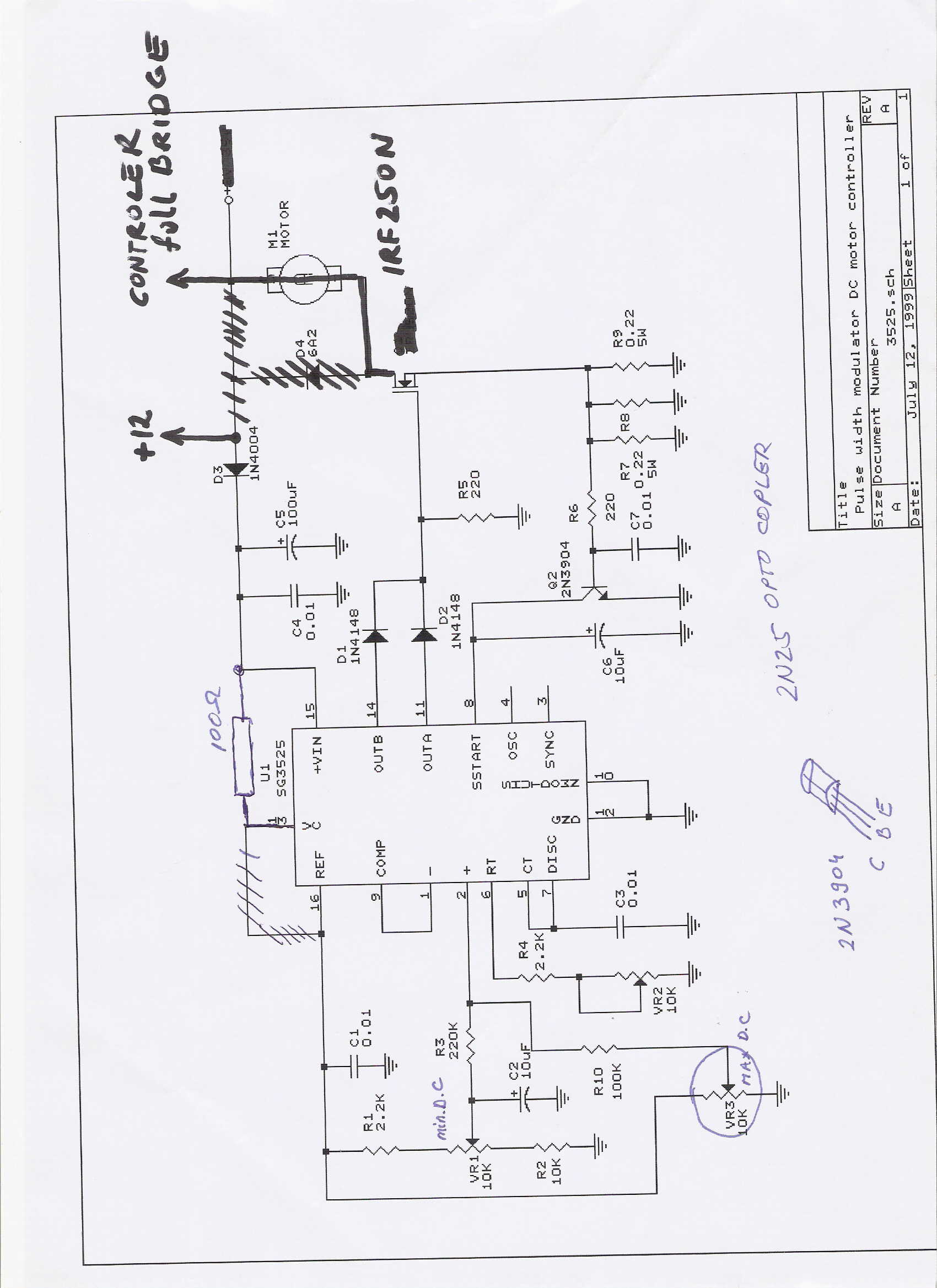
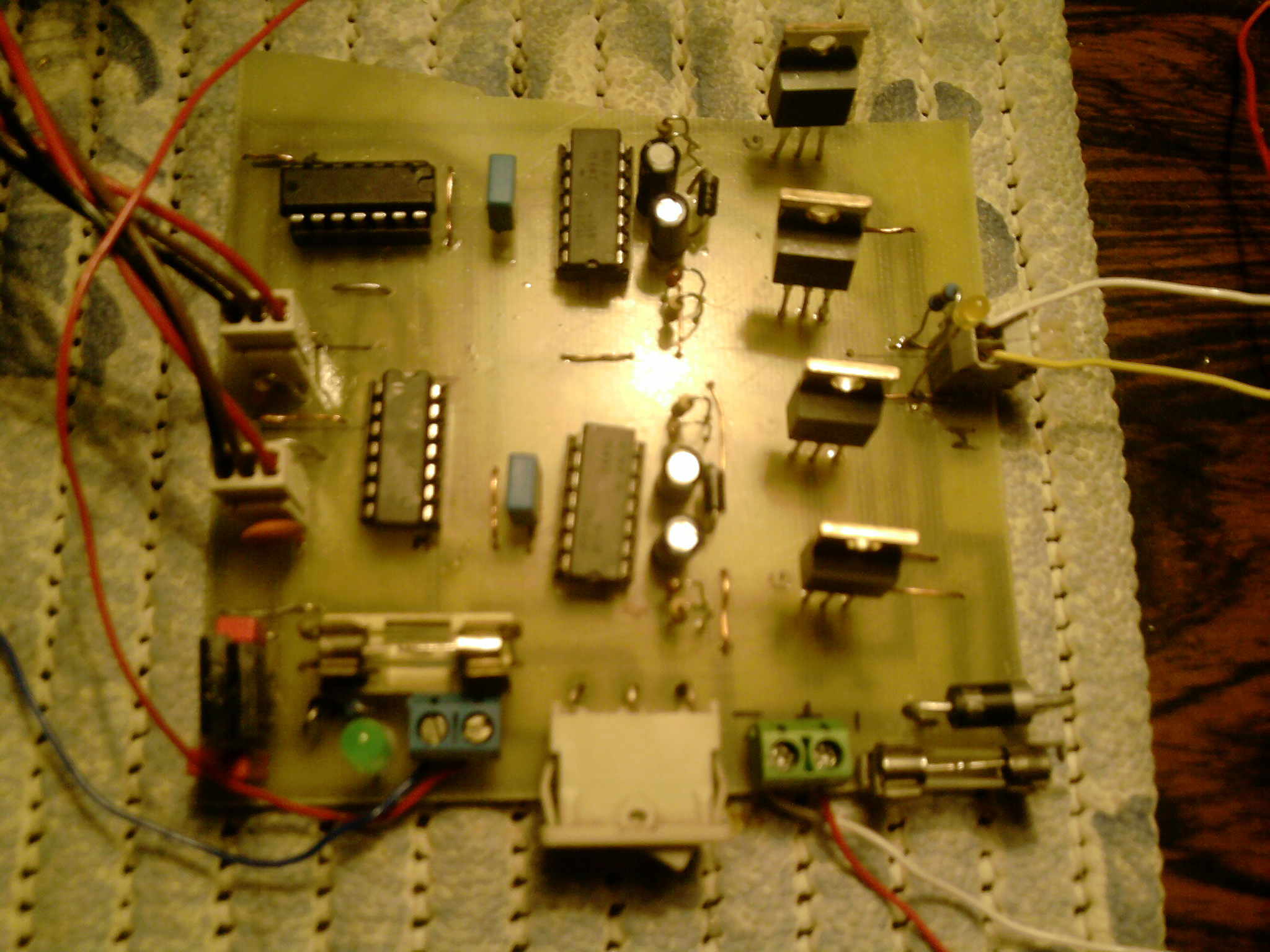
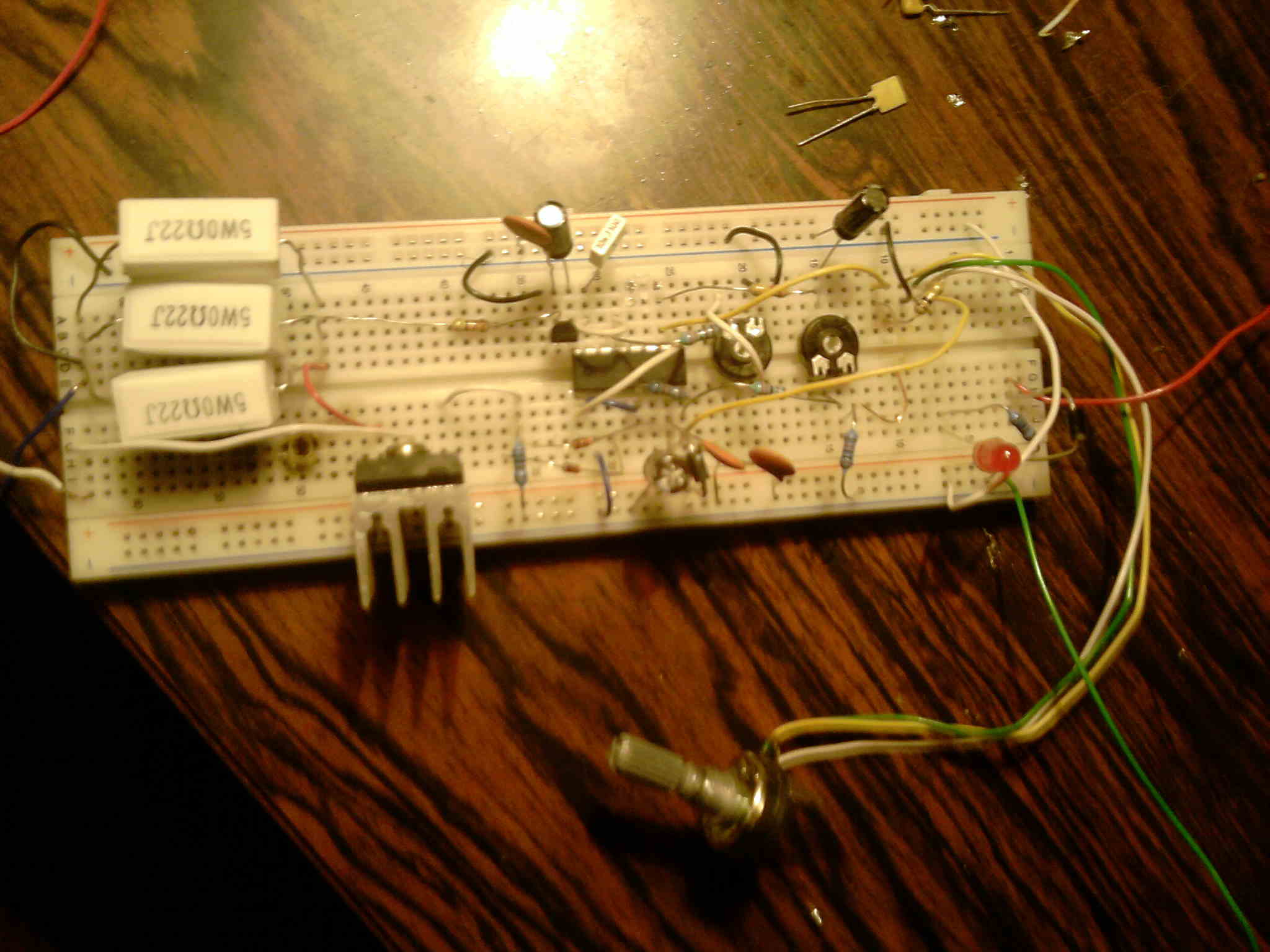


 No problemo. AND i have small request, can you post oscilloscope shots when motor works with load at 75% duty cycle . Pleas capture moment when current start rise. I think that was pretty interesting thing to see




Comment