-
Sincerely,
Aaron Murakami
Books, Videos, ESTC Conference Info, Blog, etc. https://emediapress.com
-
Gravity Power Paper 2
GRAVITY POWER MACHINE
by William F. Skinner, 1939
Sincerely,
Aaron Murakami
Books, Videos, ESTC Conference Info, Blog, etc. https://emediapress.com
Comment
-
Gravity Power William F Skinner build pics and notes
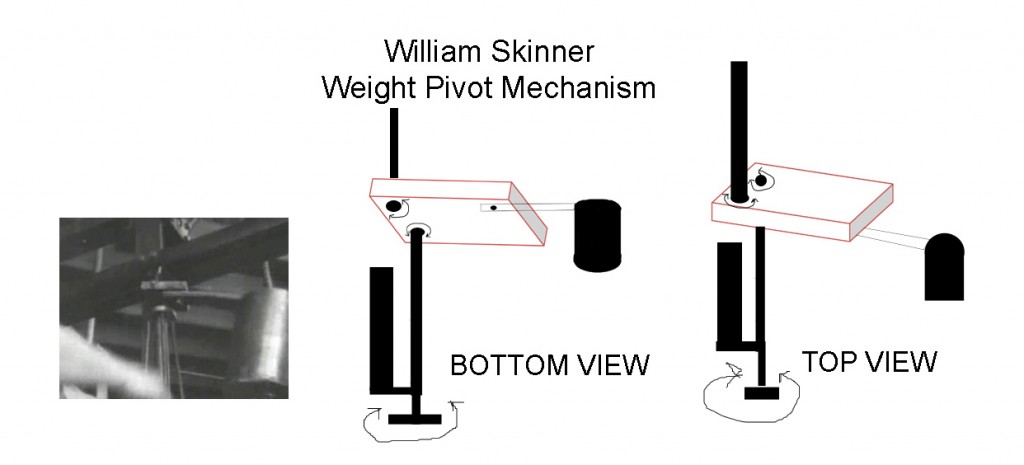
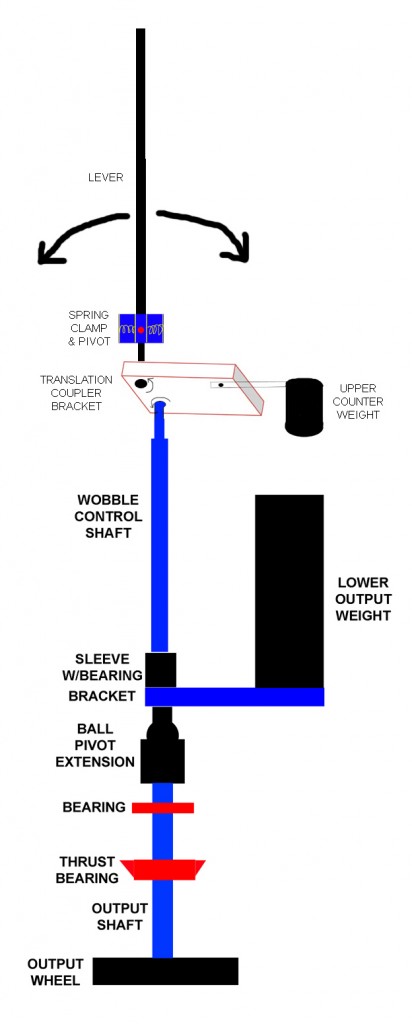
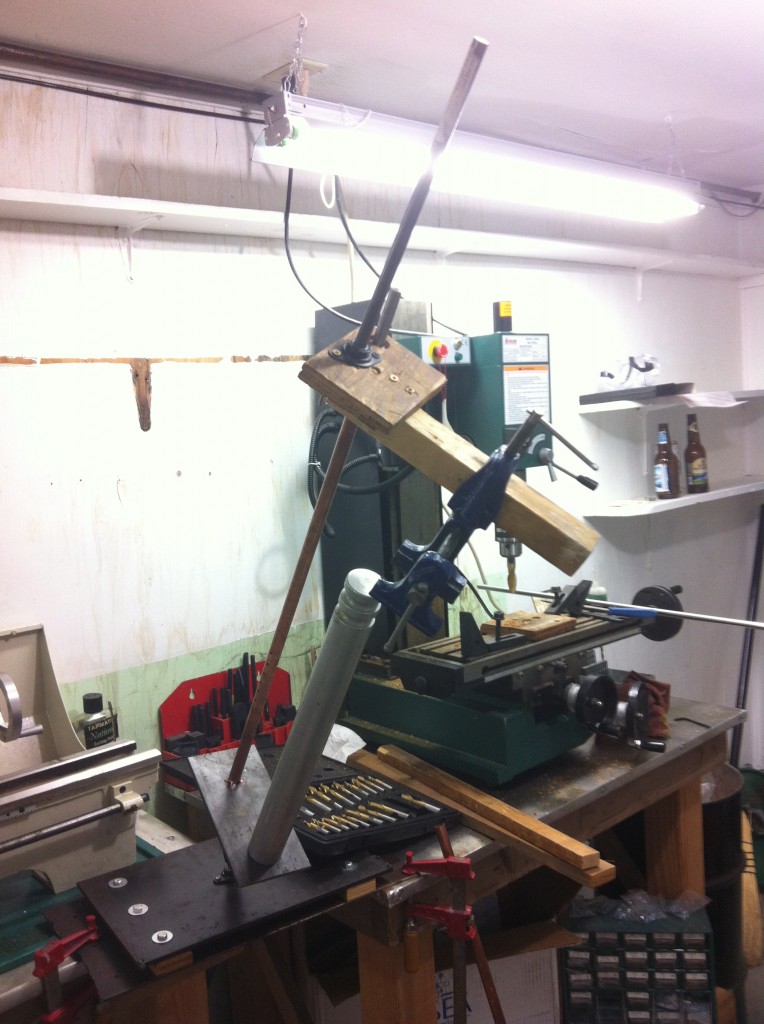
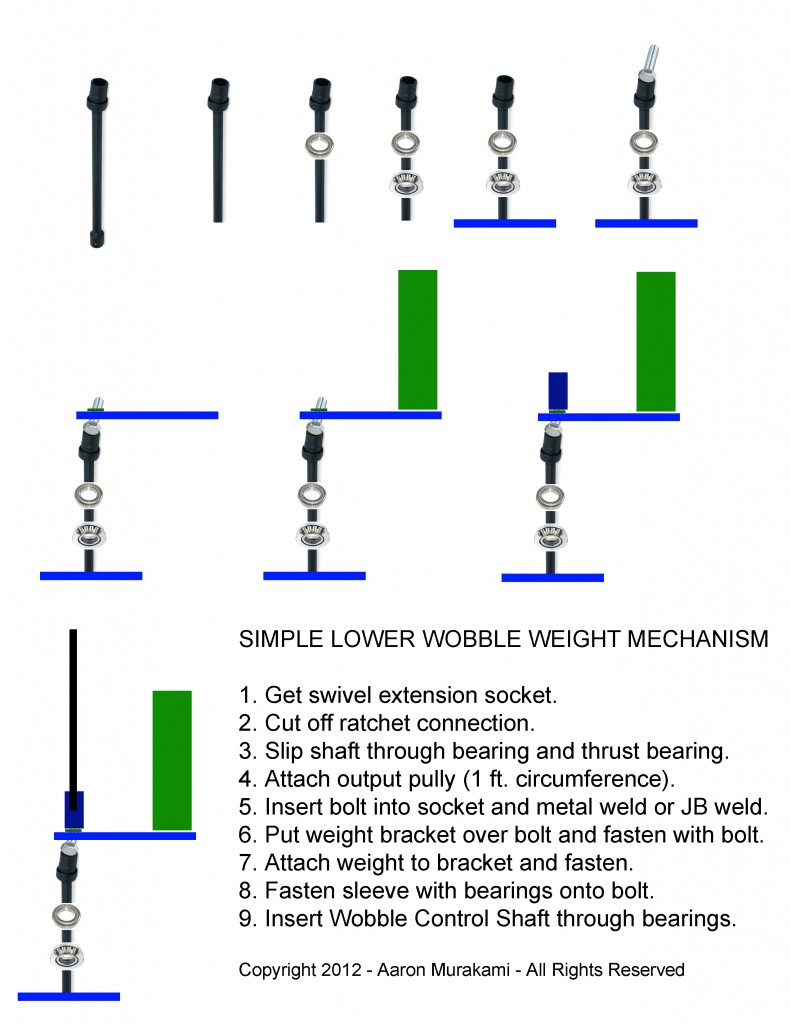
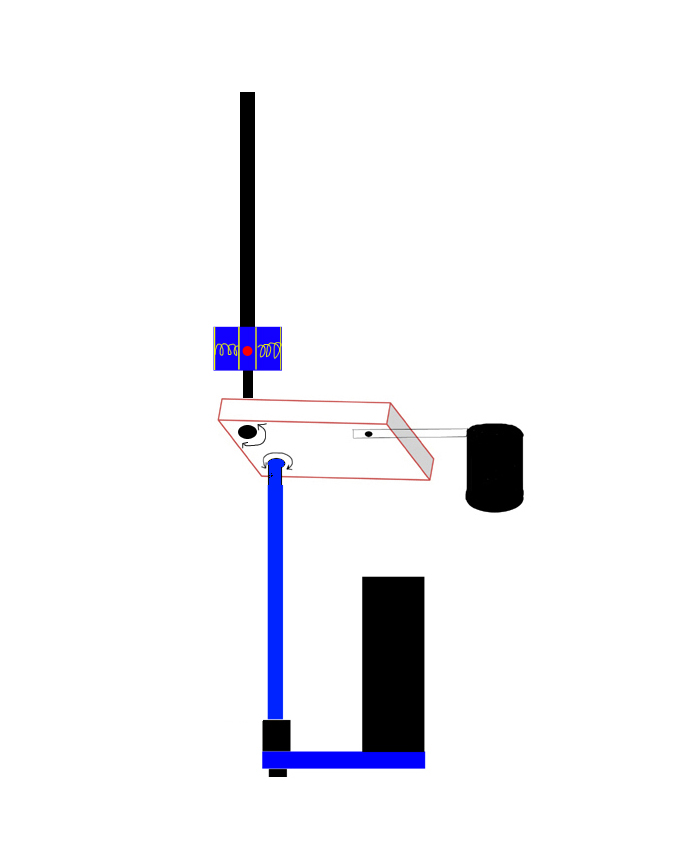
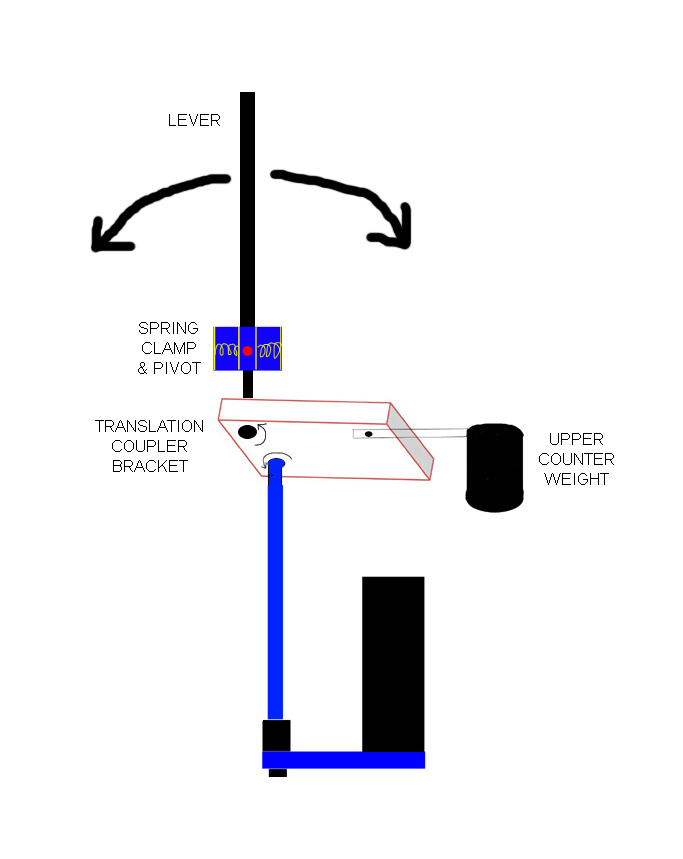
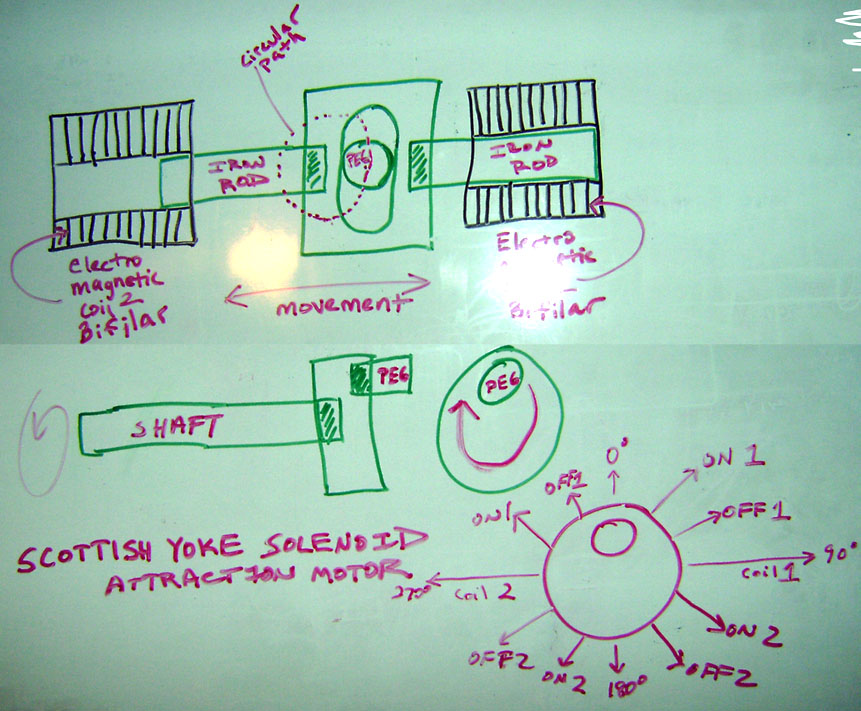
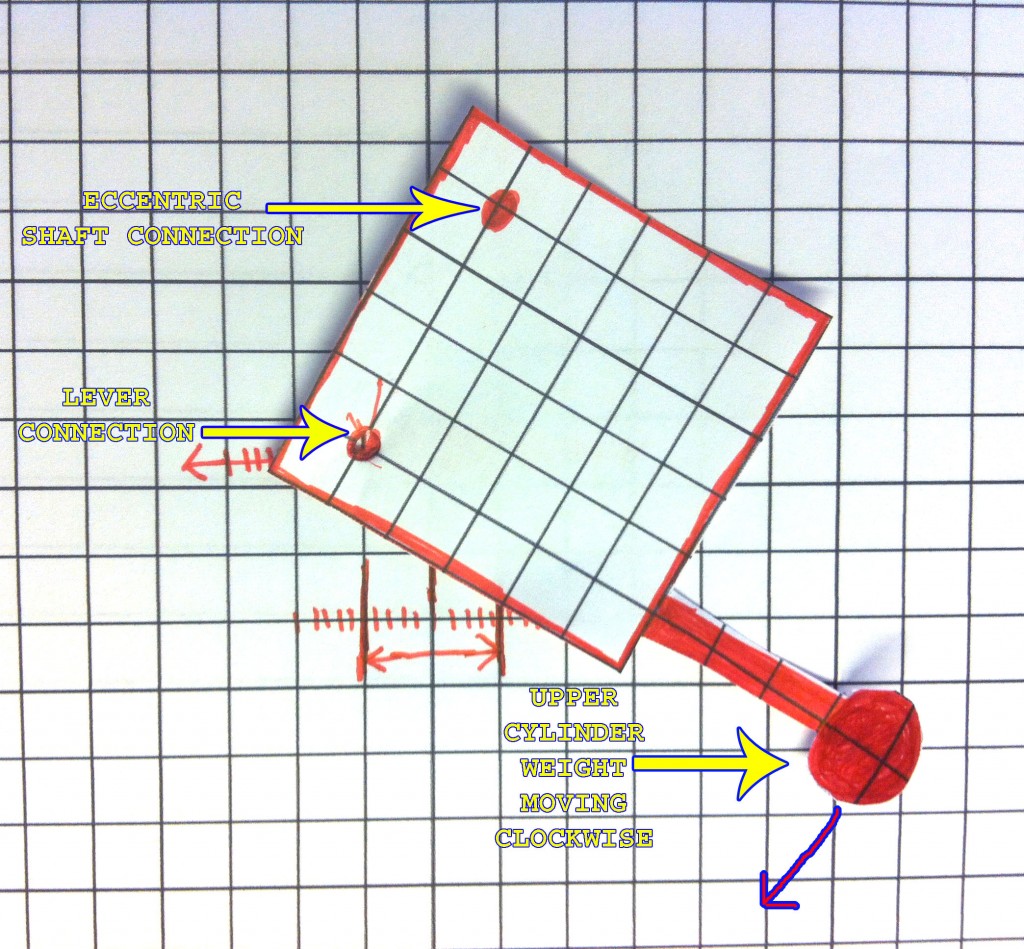
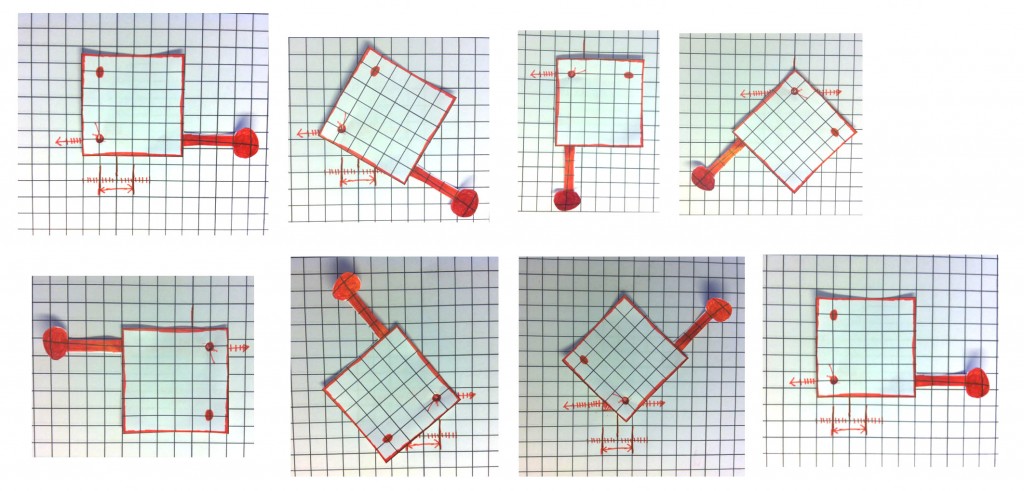
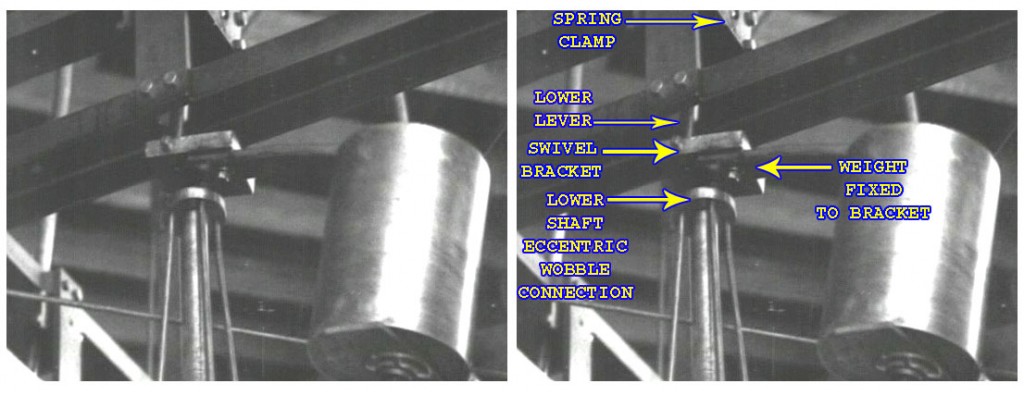
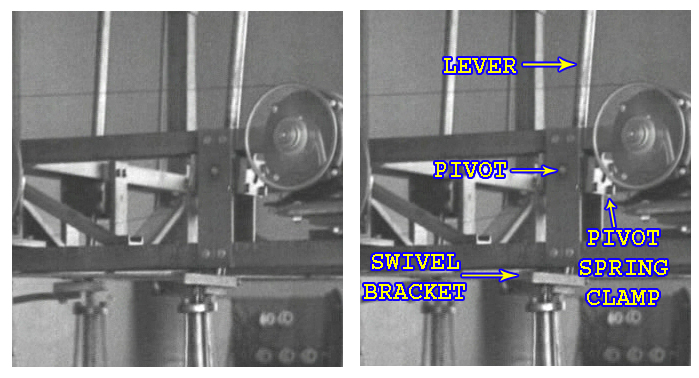

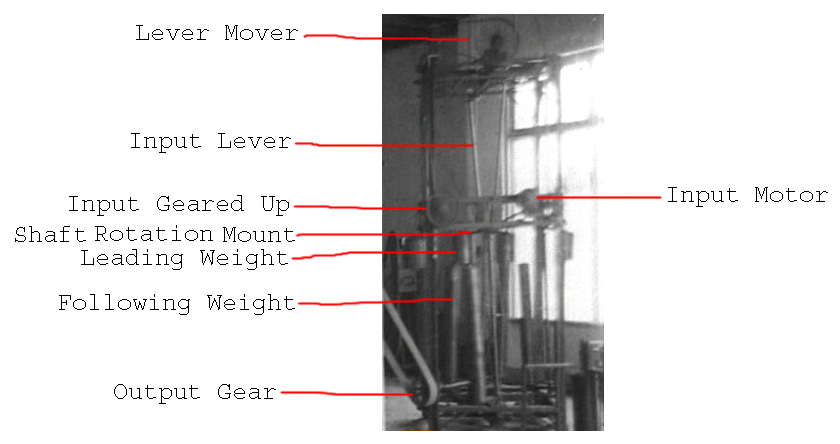
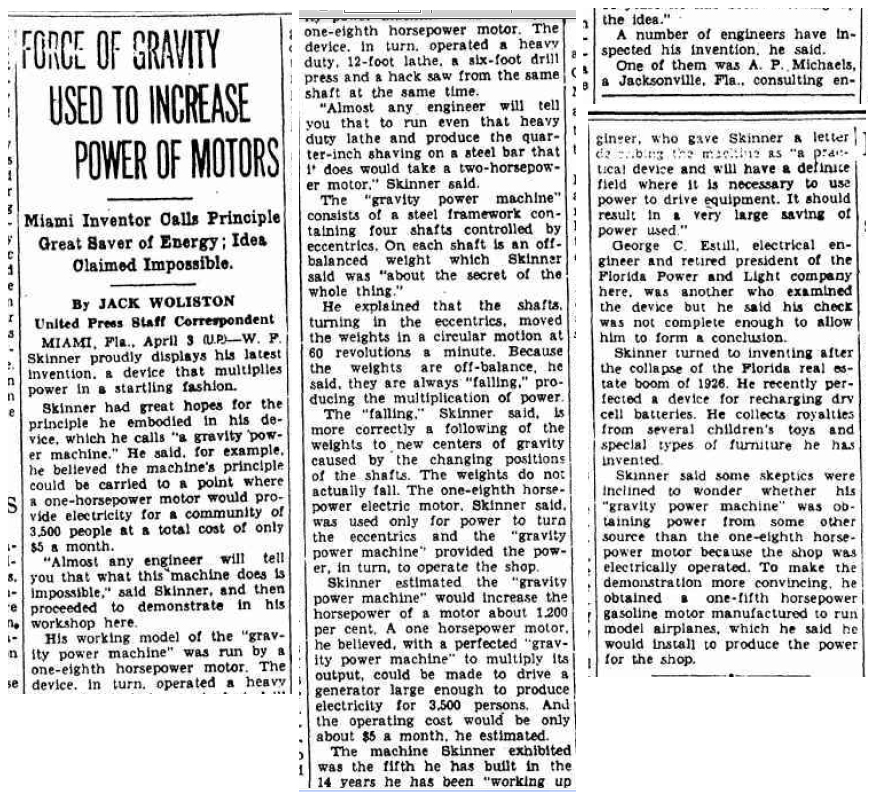 Sincerely,
Aaron Murakami
Books, Videos, ESTC Conference Info, Blog, etc. https://emediapress.com
Comment
-
Living machine
I think , the same forces are involved in William Skinner device like in the living machine
Comment
-
Lower Engagement
Thanks Aaron, lots of great work, it looks like this will be a goer. Here is some ideas about the lower pivot and engagement to the transfer sprocket. Regards Arto
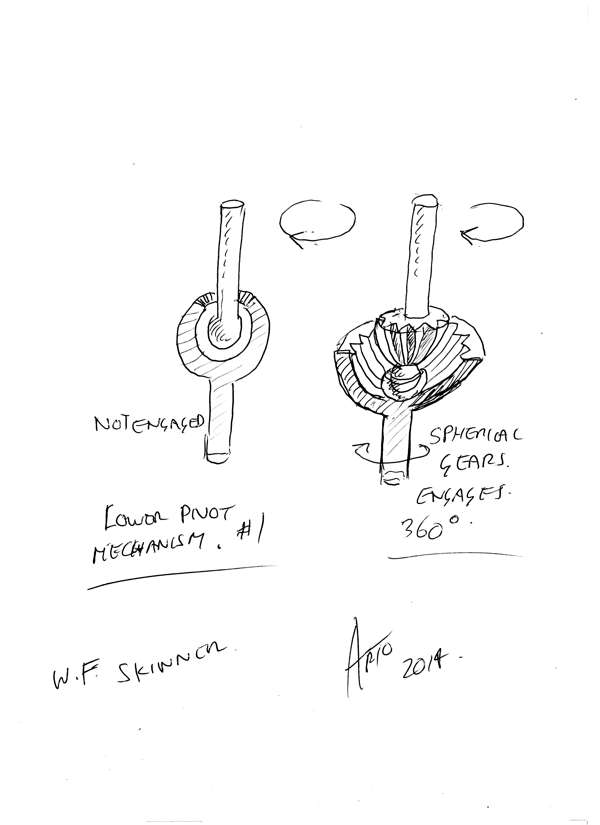
Also these ideas.
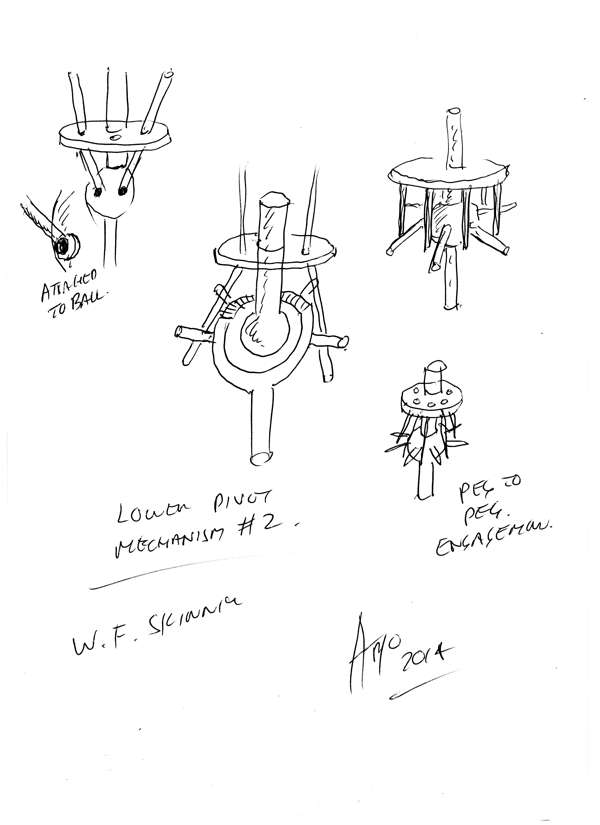
Comment
-
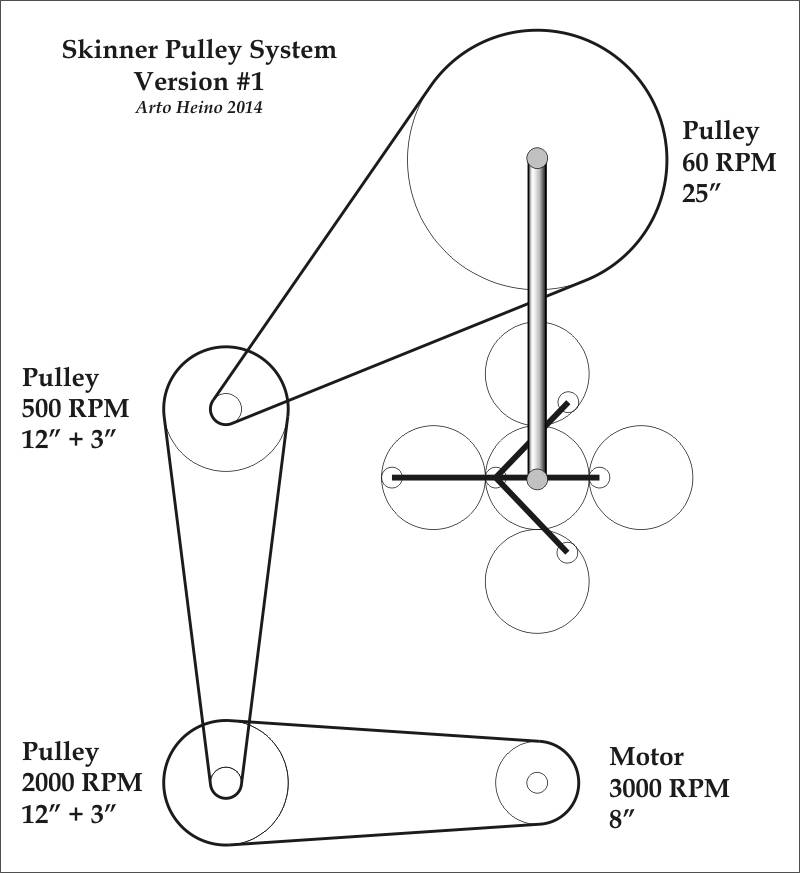
Pulleys
Here are the guesstimates for the pulleys. Regards Arto.
Comment
-
any documented working replications?Comment
-
universal joint?
Artoj
why not a universal joint? or am I missing something I'm talking about the bottom final joint to the power takeoff
I love your work
I'm still trying to get my head around this one, I like the idea of using one weight system to overcome the other weight system when it goes to a load drag phase, a bit like a sling shot
regards
Mike
PS. nice work Aaron
your new workshop is much better than the old garage
Comment
-
new shop
Thanks - new subpanel installed now just want until I have new walls and celing! lolOriginally posted by Michael John Nunnerley View PostSincerely,
Aaron Murakami
Books, Videos, ESTC Conference Info, Blog, etc. https://emediapress.com
Comment
-
open looped
I'm putting together a new video that will show more of the mechanism to how the machine works. I see a comment by someone in ou about it not being open looped - they don't know what that even means.
Too many people are talking about "closing the loop" for all kinds of machines being ignorant of the fact that literally closing the loop means you cut out the free environmental input and you wind up with nothing but a conventional equilibrium system that conforms to typical closed-system thermodynamics.
Even with systems that have enough to "self run", the loop is still always open to source potential.
The grasshopper oil well pump example I gave tells the whole story on why this machine cannot be like that and has to be open loop meaning gravity can come in to do something.
For example... if the lower weight is directly connected to the upper weight mechanism, it is literally short circuited and you just killed the dipole. If they're locked together (closed loop), it doesn't matter how much gravitational potential is there, it will not contribute anything because the movement of the lower weight is controlled by the upper mechanism and not by "constantly falling".
Being open looped where the output is not locked to the input, it is gravity that is causing the lower weight to constantly fall to the inside of the incline of the shaft and NOT by the upper weight moving it there.
Anyway, these are universal principles for these kind of machines - Veljko, etc...
Making something self-run is NOT closing the loop no matter how many stooges and trolls want to claim that. For this machine, you would take the output and turn a generator that powers a battery bank, then that battery bank can power an inverter that powers the front motor. That would self run but that is not closing the loop. You have to take the output and establish a whole other type of dipole that is disconnected, which in turn creates another diople that is disconnected and that in turn can go back to the input. The term "closing the loop" is NOT what is happening in this example of how to make it self run. Each step between one bit of work that creates another potential difference and so on are all COMPLETELY OPEN so instead of having a circle, you have a bunch of dotted lines that go in a circle, but it is far from being closed.Sincerely,
Aaron Murakami
Books, Videos, ESTC Conference Info, Blog, etc. https://emediapress.com
Comment
-
I don't care about "closing the loop" as much as making something that can provide useful work.
Heck, I've got a 10 watt power source, can I have 120 watts in return, please?
anyone got instructions on how to build one and run your house?Comment
-
Gravity Power Secrets Revealed
Arto - ok, here's the rest of the mechanism.
The last segment is all important to see how the axis of rotation is constantly changing and how that creates the elliptical orbit. https://www.youtube.com/watch?v=EeOIGV294PM
Also, that vid explains how and why the large lower weight is "always falling" - it literally is always falling.
Anyway, this is about all there is to know to create a replication. My own "translation coupler" is using a pulley that is off centered and that is all I want to mention of that at this time.
But for the most part, there is no mystery to the lever input rod...it needs to be mounted to the frame so that the translation coupler is held into place...it is best to have the lever rod at the top going in a small circle, but even with straight back and forth motion, it still works because of the mechanism I show on the paper example at the end of the video.
Where I want to go with it as time permits is to have a Scotch Yoke type assembly like in a Bourke Engine but the input is the shaft off centered and the output is the back and forth action moving levers.
I've already done the electrical measurements with a watt meter on the variac used to run an electrical motor and have already seen what the mechanical work output is.
I just wanted to get all of this out to keep people on track before a bunch of disinformation intentional or not gets the replication attempts going in the wrong direction. That is what happened in the Stan Meyer field and others and we can't let that happen with this machine.
Hopefully, some people will start to replicate it and share their results. I'll share more when I see others sharing some - I've already pretty much given the whole thing away with an easy way to replicate with rods, sockets, etc... obviously that is just my own low budget method of doing it but there should be no mistake now about how to do it.Sincerely,
Aaron Murakami
Books, Videos, ESTC Conference Info, Blog, etc. https://emediapress.com
Comment
-
reactions help to produce forward work
One thing I didn't address yet is that the reaction in the machine helps to make work in the forward direction. There are no bucking forces to resist its movements. Essentially, it is free of back emf in electrical terms.
Like in the Ramos machine, the reaction of the pendulum at the top doesn't buck against any movement and actually helps to propel it into the forward direction.
Just like the Veljko machine, the reaction of the hammer going in the opposite direction doesn't buck the input, it actually gets the input pendulum to swing which helps to produce work in the forward direction.
These are all universal principles.Sincerely,
Aaron Murakami
Books, Videos, ESTC Conference Info, Blog, etc. https://emediapress.com
Comment
-
Aaron, I'd like to replicate this, and it seems within my capabilities to do so. One thing, I know people love videos these days, and seeing videos of things working is awesome, but 30 min+ videos on youtube are not possible for some of us with crappy internet connections or data limits.
Is it possible for someone to give a short synopsis of the video, maybe with a few screen shots to see things in a better format? I'd be willing to do this myself, but I have to watch the video in parts, so it might takes me a few weeks.
Anyway, cool project, looks like it has some promise, I'd like to get it going in an off-grid setup!Comment
-
vdownloader
I'd recommend getting a program vdownloaded and/or the plugin for firefox for example. Go to the video and you can download just the audio in mp3 for example. That is the only quick solution I have for you but you at least need enough bandwidth for that.Originally posted by velacreations View PostSincerely,
Aaron Murakami
Books, Videos, ESTC Conference Info, Blog, etc. https://emediapress.com
Comment

This forum is preserved as a permanent archive. The community continues at eMedia Press.
- If this is your first visit, be sure to check out the FAQ by clicking the link above. You may have to register before you can post: click the register link above to proceed. To start viewing messages, select the forum that you want to visit from the selection below.

 Tweet
Tweet

Comment